
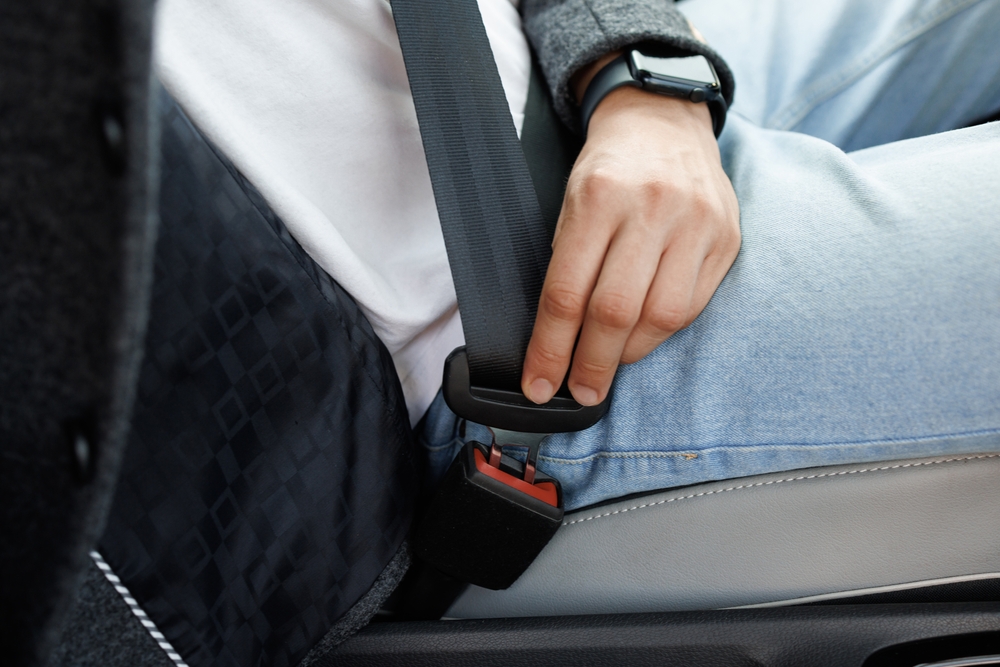
Seat belts save lives. They reduce the risk of fatal injuries and protect drivers and passengers during crashes. However, in serious collisions, seat belts can also cause a specific set of injuries known as seat belt syndrome. These injuries are often severe, internal, and not immediately obvious after a car accident.
Seat belt syndrome refers to a pattern of injuries caused by the force of a seat belt restraining the body during a crash. While wearing a seat belt is always safer than not wearing one, the injuries linked to seat belt syndrome can still lead to long-term medical complications, high costs, and complex legal claims.
This article explains what seat belt syndrome is, how it happens, the types of injuries involved, and why speaking with a car accident attorney may be critical after a serious crash.
What Is Seat Belt Syndrome?
Seat belt syndrome is a term used by medical professionals to describe injuries caused by the pressure and force of a seat belt during a collision. These injuries usually occur across the chest, abdomen, neck, and spine.
The syndrome is often identified by visible bruising or abrasions along the path of the seat belt. This marking is sometimes called the “seat belt sign.” While the bruising itself may look minor, it often signals deeper internal injuries.
Seat belt syndrome commonly occurs in high-speed crashes, rollovers, and head-on collisions.
Why Seat Belt Injuries Can Be So Serious
Seat belts restrain the body to prevent ejection from the vehicle. During sudden deceleration, the upper body continues moving forward until the belt stops it. This force can compress organs, fracture bones, and strain the spine.
The danger lies in how injuries develop. Many seat belt injuries are internal and may not cause immediate pain. Symptoms can worsen hours or days after the accident.
This delayed onset makes seat belt syndrome particularly dangerous.
Common Injuries Associated With Seat Belt Syndrome
Seat belt syndrome can involve multiple injury types. These injuries often require extensive medical care.
Abdominal Injuries
The lap portion of the seat belt presses into the abdomen during impact. This can injure internal organs.
Common abdominal injuries include:
- Liver lacerations
- Spleen ruptures
- Intestinal tears
- Internal bleeding
- Pancreatic injuries
- Mesenteric injuries
These injuries often require emergency surgery and prolonged hospitalization.
Chest Injuries
The shoulder belt crosses the chest and can cause blunt force trauma.
Chest injuries may include:
- Rib fractures
- Sternum fractures
- Lung contusions
- Collapsed lungs
- Cardiac bruising
Chest injuries can interfere with breathing and oxygen levels.
Spinal Injuries
Seat belt syndrome is closely linked to spinal trauma, especially in the lower spine.
Common spinal injuries include:
- Lumbar spine fractures
- Herniated discs
- Spinal ligament damage
- Spinal cord injuries
These injuries can lead to chronic pain, mobility limitations, or paralysis.
Neck and Shoulder Injuries
The shoulder strap can strain the neck and upper body.
Possible injuries include:
- Whiplash
- Cervical spine injuries
- Shoulder dislocations
- Rotator cuff tears
- Nerve damage
These injuries often require physical therapy or surgery.
Soft Tissue Injuries
Even without fractures, seat belt pressure can damage muscles and connective tissue.
Soft tissue injuries include:
- Muscle tears
- Deep bruising
- Ligament damage
- Chronic inflammation
These injuries may not appear on imaging but still cause lasting pain.
Seat Belt Syndrome in Children
Children are especially vulnerable to seat belt syndrome when seat belts do not fit properly. Improper positioning or early transition from car seats increases risk.
Common pediatric injuries include:
- Abdominal organ damage
- Spinal fractures
- Internal bleeding
Child seat belt injuries often result in serious long-term consequences.
Symptoms That May Indicate Seat Belt Syndrome
Not all injuries are obvious at the crash scene. Warning signs may appear later.
Symptoms include:
- Abdominal pain
- Nausea or vomiting
- Chest pain
- Shortness of breath
- Back pain
- Bruising across the torso
- Dizziness
- Weakness
- Fever
Anyone experiencing these symptoms after a car accident should seek medical care immediately.
How Doctors Diagnose Seat Belt Syndrome
Doctors use imaging and physical exams to diagnose seat belt injuries.
Common diagnostic tools include:
- CT scans
- MRIs
- X-rays
- Ultrasound
- Blood tests
Early diagnosis improves outcomes and reduces complications.
Long-Term Effects of Seat Belt Syndrome
Some seat belt injuries heal quickly. Others cause lasting damage.
Long-term effects may include:
- Chronic pain
- Digestive problems
- Reduced mobility
- Nerve damage
- Permanent disability
- Emotional trauma
- Loss of income
The financial burden can be substantial.
Seat Belt Syndrome and Car Accident Claims
Seat belt syndrome often leads to high-value personal injury claims. These injuries are serious and expensive to treat.
Insurance companies may try to minimize these claims by arguing:
- Injuries were minor
- Symptoms were pre-existing
- Medical treatment was unnecessary
- The injured person recovered quickly
A car accident attorney helps counter these arguments with medical evidence.
Can Seat Belt Injuries Affect Fault?
In Georgia, wearing a seat belt does not reduce your right to compensation. Seat belt use generally supports a claim, not weakens it.
However, insurers may still attempt to:
- Shift blame
- Downplay injury severity
- Argue improper seat belt use
Legal representation protects against these tactics.
Proving Damages in a Seat Belt Syndrome Case
Proving damages requires detailed documentation.
A car accident attorney may help gather:
- Medical records
- Surgical reports
- Diagnostic imaging
- Expert medical opinions
- Employment records
- Future care estimates
- Pain and suffering documentation
Accurate damage calculation is essential.
Georgia Law and Comparative Negligence
Georgia follows a modified comparative negligence rule.
Key points include:
- You can recover damages if you are less than 50 percent at fault
- Your compensation is reduced by your percentage of fault
- Seat belt use does not bar recovery
An experienced car accident attorney understands how to protect claims under Georgia law.
Why Insurance Companies Fight Seat Belt Syndrome Claims
Seat belt injuries often result in large medical bills and long recovery periods. Insurers work aggressively to limit payouts.
Common tactics include:
- Requesting recorded statements
- Challenging treatment timelines
- Disputing causation
- Offering early low settlements
Legal guidance helps prevent costly mistakes.
How a Car Accident Attorney Can Help
A car accident attorney handles the legal process so injury victims can focus on recovery.
Legal support may include:
- Investigating the crash
- Identifying liable parties
- Working with medical experts
- Negotiating with insurers
- Filing a lawsuit if needed
- Preparing for trial
Serious injury cases require focused legal attention.
When to Contact a Lawyer After Seat Belt Injuries
You should speak with a lawyer as soon as possible if:
- You were hospitalized
- You had surgery
- You experienced internal injuries
- You missed work
- You have ongoing pain
- Insurance companies are pressuring you
Early action protects evidence and preserves deadlines.
Final Thoughts on Seat Belt Syndrome
Seat belts save lives, but they can also cause serious injuries during violent crashes. Seat belt syndrome often involves hidden internal trauma that requires prompt medical and legal attention.
If you suffered seat belt injuries in a car accident, you may be entitled to compensation for medical costs, lost income, and long-term effects.
An experienced car accident attorney can help you understand your rights and pursue fair compensation.
Contact us today for a free legal consultation.

Dwight DeLoach, Esq., is the managing partner of DeLoach Law Firm, P.C., a personal injury firm based in Atlanta, Georgia. With a focus on representing individuals who have sustained serious personal injuries, Dwight is committed to holding negligent parties accountable and ensuring his clients receive the compensation they deserve. His practice areas include car accidents, slip and falls, and work-related injuries, providing clients with dedicated support throughout the legal process. Dwight earned his bachelor’s degree from Stillman College, a master’s from Kennesaw State University, and his J.D. from Atlanta’s John Marshall Law School. Contact his office today to schedule a free legal consultation.