
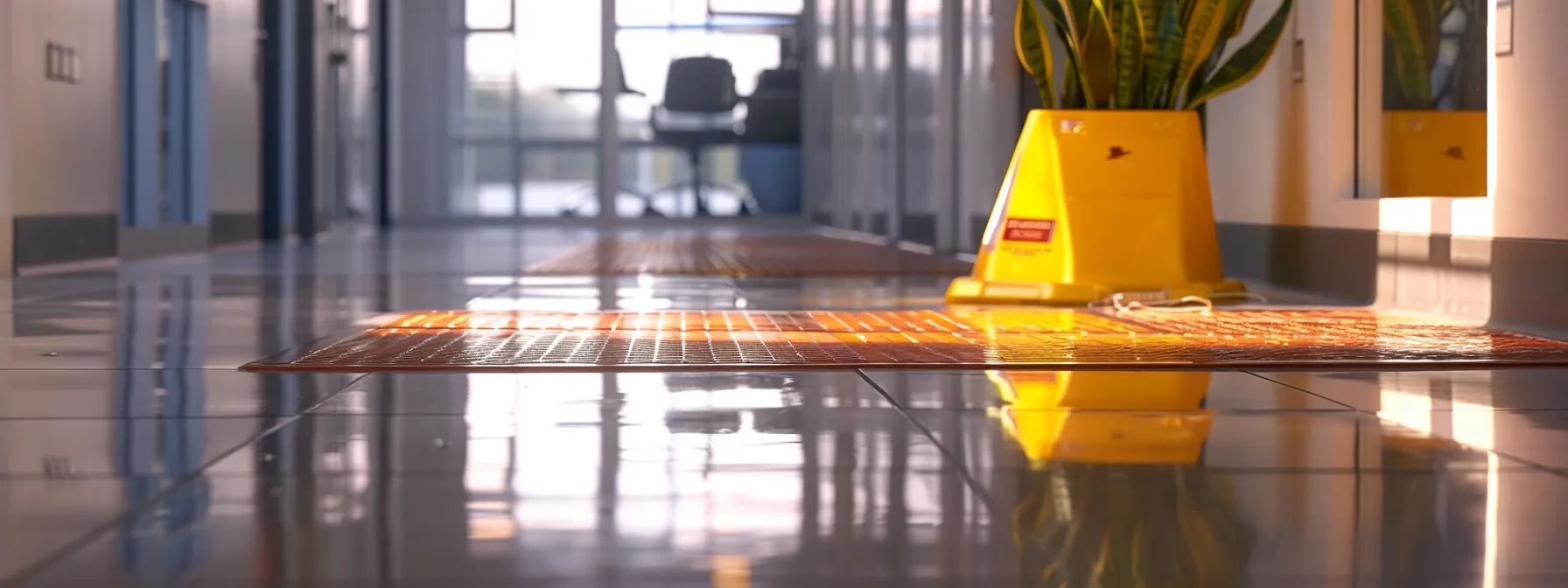
Essential Tips to Avoid Slip and Fall Injuries
No one ever thinks they’ll fall victim to a classically mocked “slip and fall” accident, but millions do every year. And when it happens to you, it’s no laughing matter. Suddenly, you’re in serious pain from injuries that often end up being permanent. You’re also going to the doctor for endless appointments and follow-ups, and watching as medical costs drain your bank account. Avoiding a slip and fall in the first place is the key to staying safe and making sure your employees do, too.
Slip and fall injuries can happen to anyone, often leading to serious consequences. Understanding how these accidents occur is key to preventing them. This article will explore common causes of slip and fall accidents and provide effective safety measures you can implement. Readers will learn how to train employees on safety protocols and the importance of regular inspections and maintenance. By addressing these issues, individuals can significantly reduce their risk of injury and travel through their environments more safely.
Understanding Slip and Fall Accidents
Slip and fall accidents are frequent incidents that can result in serious injuries. These accidents often occur due to various hazards present in environments such as businesses, homes, and public spaces. Consulting a personal injury lawyer can help victims manage their legal options.
Common hazards include wet surfaces, such as mud and spills, and uneven flooring that can cause individuals to lose their balance. Additionally, improperly maintained items like mats can lead to slips when surfaces are not adequately covered.
Inadequate lighting can also contribute to slip and fall accidents by making hazards harder to see. Another significant factor is the absence of handrails in locations like stairways, which can lead to falls when individuals attempt to travel these spaces unaided.
By understanding these risks, individuals can better avoid slip and fall accidents. Awareness of potential hazards plays a vital role in preventing injuries and providing a safer environment for everyone.
Analyzing Common Causes of Slip and Fall Accidents
Identifying hazardous conditions is crucial in preventing slips, trips, and falls. Common causes include wet floors, frayed carpets, and poor workplace maintenance. Unsafe behaviors, such as rushing or inadequate footwear, also contribute to these accidents. Understanding these factors empowers individuals to take proactive steps to reduce the risk of injuries in various environments.
Identifying Hazardous Conditions
Identifying hazardous conditions that lead to trip and fall incidents is critical for preventing injuries. Common issues like debris on walkways or loose carpeting can easily cause trips and falls, especially in high-traffic areas. For example, a ladder improperly stored in a hallway can obstruct pathways, increasing the risk of accidents.
Maintaining a safe environment also involves regular inspections to identify potential hazards. Poorly lit spaces, uneven flooring, and wet spots can create dangerous conditions that contribute to injuries. By recognizing these elements, individuals and business owners can take immediate action to mitigate risks, resulting in safer spaces for everyone.
Recognizing Unsafe Behaviors
Recognizing unsafe behaviors is a fundamental aspect of effective fall prevention. Risky actions that occur every day include running in crowded areas, walking without proper footwear, or engaging in distractions such as phone use while walking through potentially hazardous locations. Individuals must be aware that these behaviors can significantly increase the chance of an accident, ultimately leading to pain and suffering associated with injuries.
Workplace settings also present unique challenges where unsafe behaviors can thrive. For example, employees rushing to complete tasks may overlook spills or clutter in their paths, increasing the risk of slip and fall incidents. By requiring a culture of safety awareness and encouraging proper traction through suitable footwear and attentiveness, employers can help mitigate these risks and protect their workforce.
| Unsafe Behavior | Risk Level | Recommended Action |
|---|---|---|
| Running in crowded areas | High | Encourage walking and awareness |
| Improper footwear | Medium | Promote use of non-slip shoes |
| Distraction from mobile devices | High | Advise against phone use in hazardous areas |
| Rushing to meet deadlines | High | Implement a safety-first culture |
Implementing Effective Safety Measures
Enhancing lighting in key areas helps pedestrians see potential hazards clearly, reducing the risk of slip and fall injuries. Maintaining clean and dry surfaces is essential to minimize dangerous conditions, while proper footwear offers better traction. Installing non-slip floor materials can significantly improve safety. These practical measures contribute to effective premises liability strategies and support a safer environment.
Enhancing Lighting in Key Areas
Improving lighting in key areas significantly reduces the likelihood of injuries related to slip and fall accidents. Well-lit environments help individuals clearly see potential hazards, minimizing the chances of encountering dangerous conditions. According to the Occupational Safety and Health Administration, proper illumination is essential in workplaces to enhance safety and reduce the risk of damage that could arise from unforeseen incidents.
In addition to general lighting improvements, utilizing motion-sensor lights in stairways and walkways helps these areas remain well-lit, especially during low-light conditions. This proactive approach can prevent painful accidents and potential lawsuits from slips and falls, as maintaining safe environments is a legal obligation for property owners. By prioritizing adequate lighting, they can cultivate safer spaces for all individuals while demonstrating their commitment to occupational safety and health standards.
Maintaining Clean and Dry Surfaces
Maintaining clean and dry surfaces is a fundamental aspect of accident prevention. Regular housekeeping, such as promptly cleaning up spills and keeping walkways free of debris, significantly reduces the risk of slip and fall injuries. Property owners must prioritize these cleaning practices, as neglecting such responsibilities can lead to serious injuries and legal repercussions, aligning with guidelines set forth by the National Institute for Occupational Safety and Health.
Furthermore, keeping surfaces dry and free of hazards is essential for both residential and commercial properties. Encouraging safe cleaning routines and utilizing materials that promote better traction can enhance overall safety and comfort in environments. By adhering to occupational safety and health standards, property owners can effectively minimize risks and create safer spaces for everyone who uses their facilities.
Using Proper Footwear
Proper footwear is vital to preventing slip-and-fall accidents. Shoes designed with appropriate friction features, such as non-slip soles, significantly enhance stability on various surfaces, helping individuals maintain their balance. In environments where dust and spills may accumulate, footwear becomes even more critical, as inadequate traction can lead to dangerous situations.
Selecting the right shoes also involves considering the overall fit and comfort, contributing to foot stability. Footwear that is too loose or high-heeled can increase the likelihood of a slip and fall incident, particularly on uneven or slick surfaces. By prioritizing safety slip, trip, and fall prevention through conscientious footwear choices, individuals can substantially lower their risk of injury in everyday situations.
Installing Non-Slip Floor Materials
Installing non-slip floor materials is crucial in preventing slip and fall injuries, particularly in areas prone to snow and moisture. These materials provide an enhanced grip that significantly reduces the risk of accidents, creating a safer environment for everyone. Property owners should consider using non-slip tiles, carpets with rubber backing, or specialty coatings designed to improve traction in high-risk areas.
Incorporating non-slip flooring serves as an essential aspect of a comprehensive safety strategy. It minimizes potential personal injury claims and aligns with law requirements for maintaining a safe premises. For individuals working in environments that necessitate personal protective equipment, traction aids help workers focus on tasks without fear of slipping, thereby improving overall productivity and safety.
| Safety Measure | Description | Benefits |
|---|---|---|
| Non-Slip Floor Materials | Flooring designed to enhance grip, reducing slip risks. | Lower chances of accidents, compliance with safety laws. |
Training Employees on Safety Protocols
Regular safety workshops are essential for raising awareness about hazard analysis and fall accidents in the workplace. Emphasizing the importance of lighting and creating an environment where employees feel encouraged to report hazards can effectively mitigate the risk of workplace injuries. These proactive measures enhance safety and create a culture of vigilance and responsibility among staff members.
Conducting Regular Safety Workshops
Conducting regular safety workshops educates employees about the risks associated with slip and fall incidents, particularly in high-risk areas such as stairs. By highlighting proper techniques for using stairways and emphasizing the importance of snow removal from entrances, these workshops can significantly reduce incidents caused by negligence. Engaging presentations can reinforce how simple actions, like using handrails or reporting slippery conditions, can safeguard themselves and their coworkers from injuries.
These workshops not only provide knowledge but also encourage safety within the workplace. Employees learn to proactively identify and address potential hazards, creating an environment where everyone feels responsible for maintaining safety standards. Providing practical examples and situational scenarios during training helps reinforce the importance of vigilance, encouraging team members to take action rather than overlook hazardous conditions that may lead to slip and fall injuries.
Encouraging Reporting of Hazards
Encouraging employees to report hazards is a critical strategy in preventing slip and fall accidents. When staff members are empowered to identify and communicate potential dangers, it creates a proactive safety culture. This not only helps prompt immediate action in addressing issues but also helps all employees feel responsible for their safety and the safety of their colleagues.
Implementing a straightforward reporting system can significantly enhance hazard awareness in the workplace. For instance, training sessions can include practical exercises demonstrating how to recognize and report unsafe conditions, such as spills or cluttered walkways. By encouraging an environment where communication about safety is prioritized, organizations can effectively reduce the risks associated with slip-and-fall injuries.
Regular Inspections and Maintenance
Scheduling routine safety audits is critical in preventing slip and fall injuries by identifying potential hazards before they become a concern. Assessing and repairing infrastructure, such as walkways and staircases, helps address any dangerous conditions promptly. These proactive measures are essential for maintaining a safe environment and significantly reducing the likelihood of accidents.
Scheduling Routine Safety Audits
Scheduling routine safety audits is a proactive approach to preventing slip and fall injuries. By regularly assessing the condition of walkways, staircases, and other high-risk areas, property owners can identify and address potential hazards before they lead to accidents. This disciplined inspection process not only aligns with best safety practices but also maintains compliance with legal obligations, thereby facilitating a safer environment for all visitors and employees.
Implementing scheduled audits allows for the early detection of issues such as uneven surfaces or poor lighting. For instance, if a property owner notices water pooling in front of an entryway, immediate corrective action can be taken to mitigate the risk of slips. By prioritizing routine safety inspections, businesses demonstrate their commitment to safety and significantly reduce the likelihood of injuries associated with slip and fall accidents.
Assessing and Repairing Infrastructure
Assessing infrastructure regularly is vital for preventing slip and fall injuries. Property owners should routinely inspect walkways, staircases, and entryways for hazards like cracks or uneven surfaces. Timely repairs not only enhance safety but also promote a proactive maintenance culture significantly reducing the potential for accidents.
Repairing infrastructure involves addressing issues as soon as they are identified to minimize risks. For instance, if a staircase shows signs of wear or loose handrails, immediate action should be taken to rectify these problems. By maintaining infrastructure effectively, property owners cultivate a secure environment, reducing liability and protecting the well-being of visitors and employees alike:
| Assessment Focus | Action Required | Benefits |
|---|---|---|
| Walkways | Inspect for cracks | Reduce trip hazards |
| Staircases | Tighten loose handrails | Enhance support |
| Entryways | Repair uneven surfaces | Increase safety for visitors |
Legal and Regulatory Considerations
Understanding workplace safety laws and developing comprehensive safety policies are vital to preventing slip and fall injuries. Compliance with legal standards helps create safer environments, while effective safety policies guide employees in hazard identification and risk reduction. These aspects help all parties prioritize safety, reducing the likelihood of injuries and cultivating responsibility.
Understanding Workplace Safety Laws
Understanding workplace safety laws is essential for preventing slip and fall injuries in various environments. These regulations, including guidelines from agencies such as the Occupational Safety and Health Administration (OSHA), require employers to maintain safe conditions for employees and visitors. By adhering to these standards, businesses can significantly reduce the risk of accidents, safeguard their workforce, and minimize potential liabilities related to workplace injuries.
Employers must conduct regular safety assessments to identify and rectify hazards such as wet floors, cluttered walkways, or inadequate lighting. Failure to comply with these legal requirements can lead to serious consequences, including fines and increased liability in case of an accident. By actively promoting a safety culture and maintaining compliance with workplace safety laws, organizations enhance their commitment to protecting individuals and preventing slip and fall incidents.
Developing Comprehensive Safety Policies
Developing comprehensive safety policies is essential for preventing slip and fall injuries within any organization. These policies should outline clear procedures for identifying and addressing potential hazards, such as wet floors and poorly maintained walkways. By involving employees in creating and implementing these policies, businesses can cultivate safety awareness where everyone feels responsible for maintaining a secure environment.
Moreover, effective safety policies must include regular training sessions to educate staff on recognizing risks and the proper steps to take in case of accidents. This proactive approach helps employees understand their roles in promoting safety and compliance with legal regulations. By taking these measures, businesses can significantly reduce the likelihood of slip and fall incidents, ultimately protecting their workforce and reputation.

Dwight DeLoach, Esq., is the managing partner of DeLoach Law Firm, P.C., a personal injury firm based in Atlanta, Georgia. With a focus on representing individuals who have sustained serious personal injuries, Dwight is committed to holding negligent parties accountable and ensuring his clients receive the compensation they deserve. His practice areas include car accidents, slip and falls, and work-related injuries, providing clients with dedicated support throughout the legal process. Dwight earned his bachelor’s degree from Stillman College, a master’s from Kennesaw State University, and his J.D. from Atlanta’s John Marshall Law School. Contact his office today to schedule a free legal consultation.